Uluru-Kata Tjuta 2027
Astrophotography Workshop
5 Day, 4 Night
Small group astrophotography workshop in Australia's darkest skies.
Led by Samuel Markham & Baillie Farley
Workshop Overview

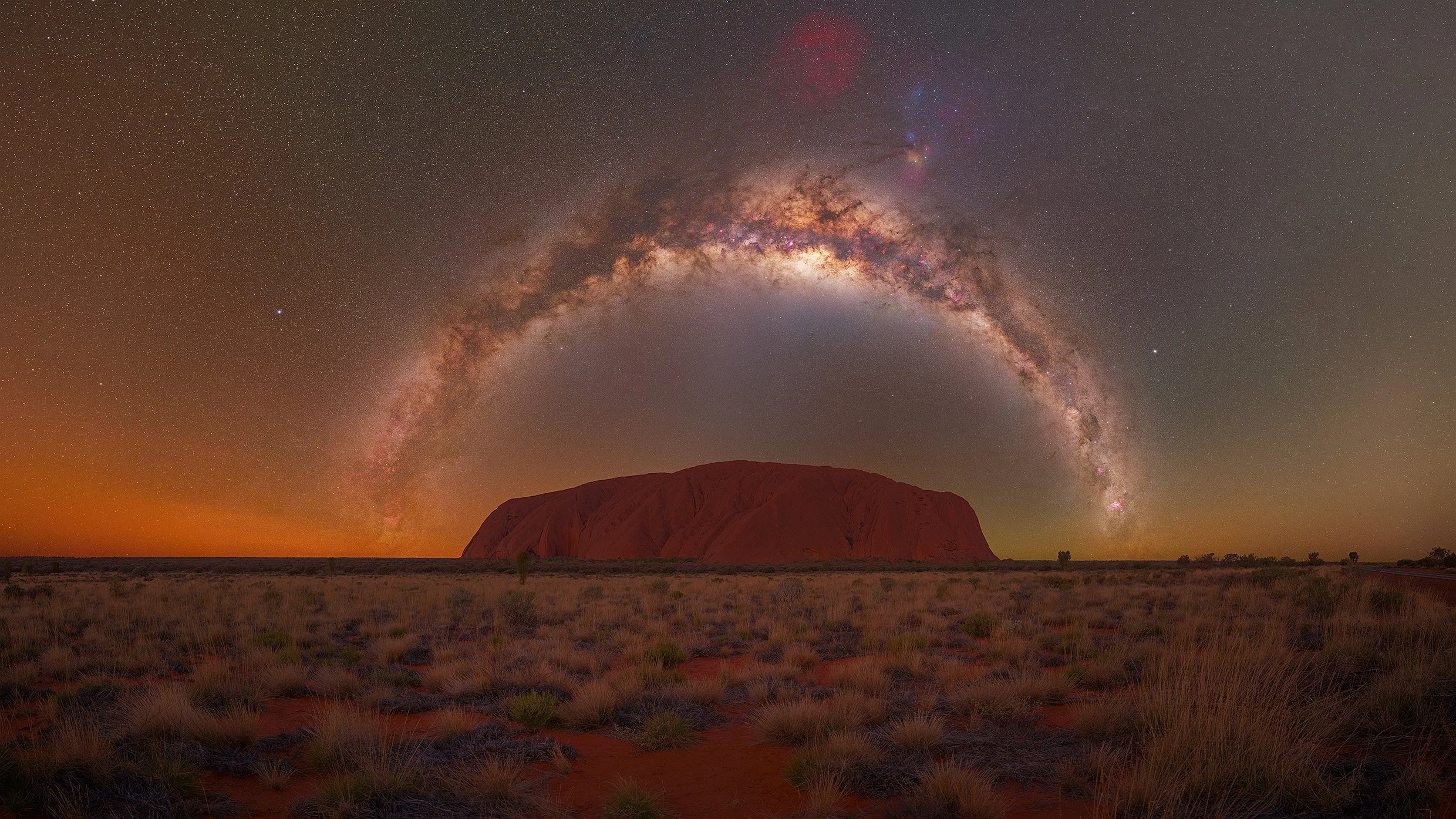
Join Samuel Markham and Baillie Farley for an immersive 5 day, 4 night astrophotography workshop in the outback of Australia. Photograph the iconic landscapes of Uluru, Kata Tjuta, and Mount Connor beneath some of the darkest skies on Earth, capturing spectacular sunsets, sunrises, and the Milky Way over these ancient desert formations.
Enjoy exclusive after hours access to the National Park for astrophotography at Uluru and Kata Tjuta, alongside a special opportunity to photograph Mount Connor up close after dark.
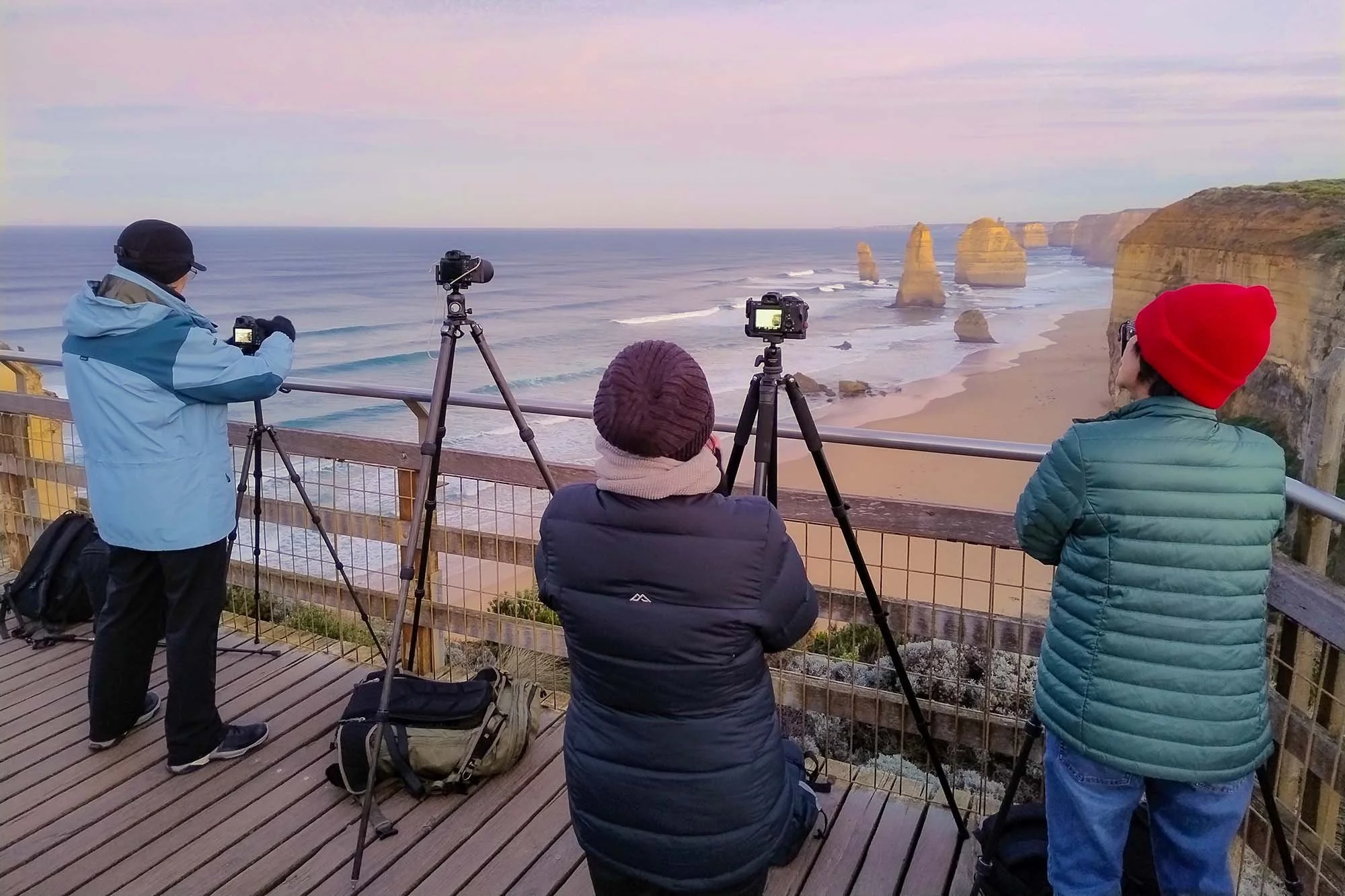
With the group capped at just four participants, you'll receive one-on-one guidance from Samuel and Baillie at every location. The workshop covers their complete photographic workflow, from camera fundamentals and advanced astrophotography techniques to reading conditions and full post-processing workflow in Adobe Photoshop and Camera RAW.
Workshop Details
Dates: See booking section
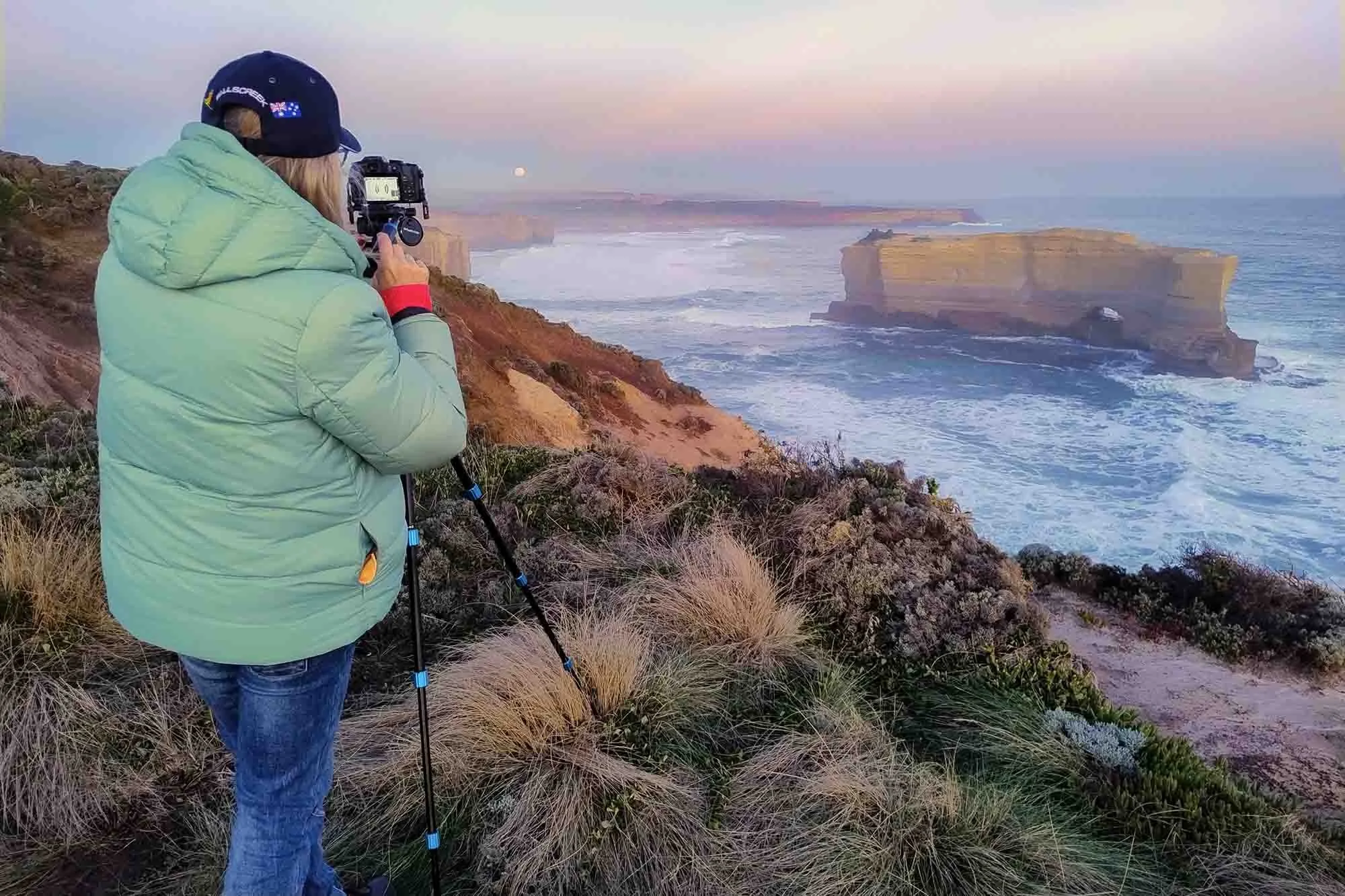
Photo Locations: Twelve Apostles, Gibson Steps, Loch Ard Gorge, Bakers Oven, Port Campbell National Park, Great Otway National Park, Hopetoun Falls and more
Group Size: Maximum of 4 participants
Skill Level: Suitable for photographers of all skill levels
Difficulty: Moderate walking — must be comfortable on uneven and slippery surfaces beside the ocean
Accommodation: 4 nights at a stunning seaside location
Price: $3,275 AUD per person ($800 AUD deposit)

Locations We’ll Explore
-
![]()
The Twelve Apostles
The defining landmark of the Great Ocean Road and one of the most photographed seascapes in Australia. Limestone stacks rising up to 45 metres from the Southern Ocean, with new viewing platforms recently added at both the main viewpoint and the Loch Ard Gorge platform. The workshop works both the wide compositions from the cliff-top platforms and the beach-level access at Gibson Steps for low-angle, foreground-led frames.
-
![]()
Gibson Steps
Also known as Gog and Magog, the two stacks visible from beach level just east of the main Twelve Apostles platform. Beach-level access is tide-dependent — on the right tide and swell, this location offers some of the most distinctive low-angle compositions on the entire coast. Sunset is the priority window here.
-
![]()
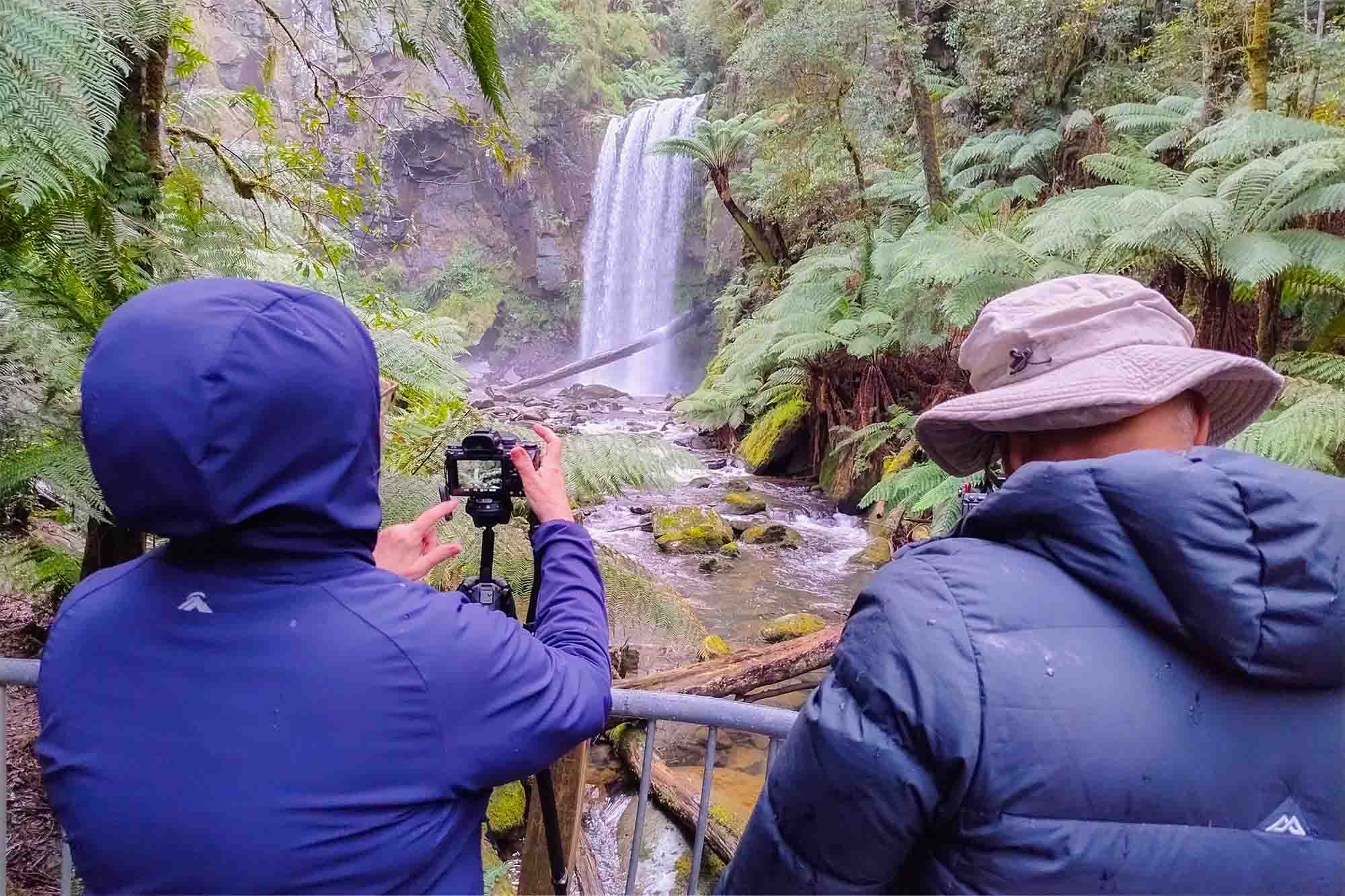
Hopetoun Falls
Located in the Great Otway National Park this 30-metre waterfall plunges through dense temperate rainforest. The location offers a complete change of pace from the coastal seascapes — long-exposure water work, rainforest composition, and moss and fern foreground detail. Worked midday when the rainforest canopy diffuses the light evenly.
-
![]()
Tom and Eve Lookout
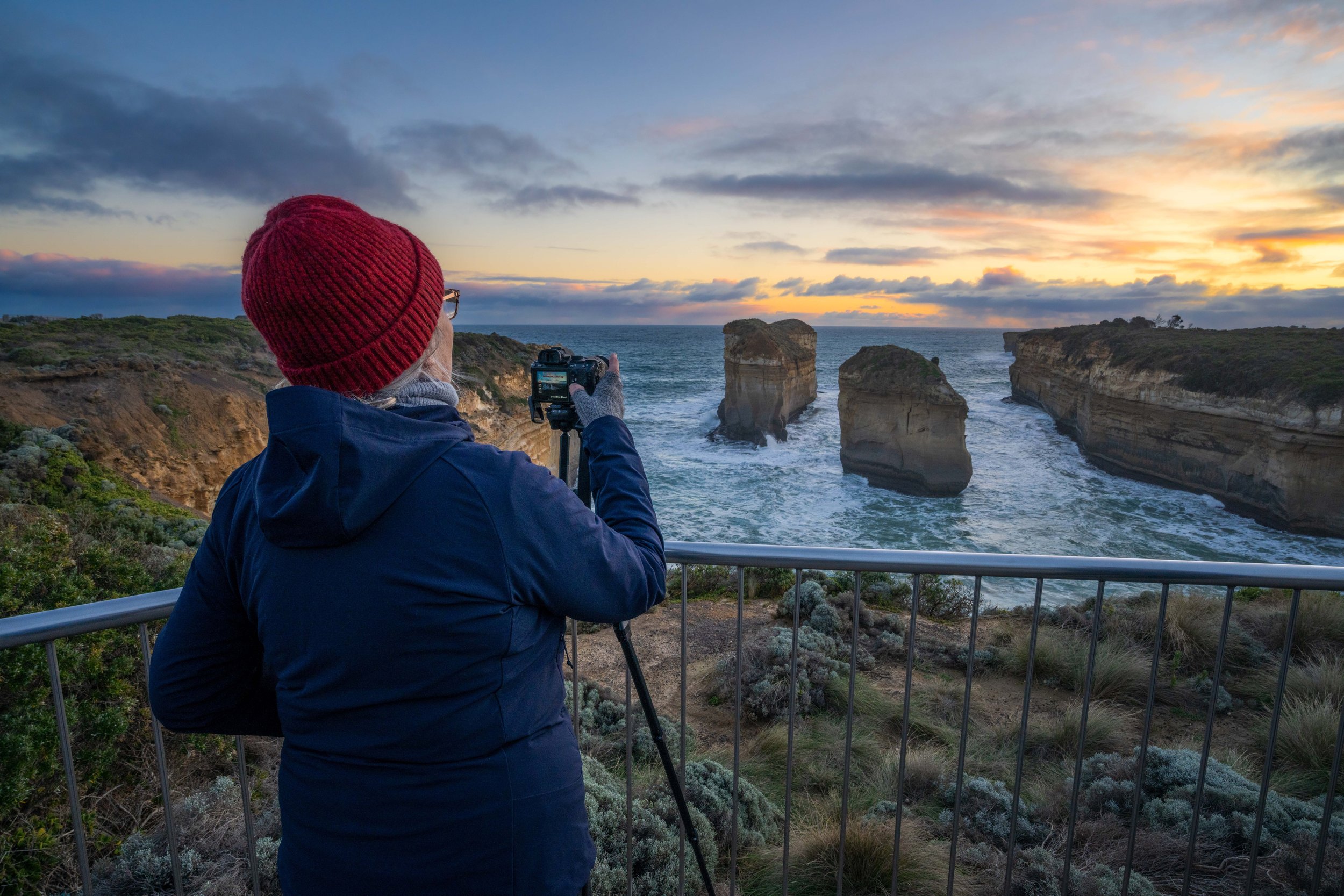
An elevated coastal viewpoint that offers wide compositional sweeps across the Port Campbell coastline. Sunrise from Tom and Eve produces some of the strongest light on the coast when the sun rises through cloud bands offshore.
-
![]()
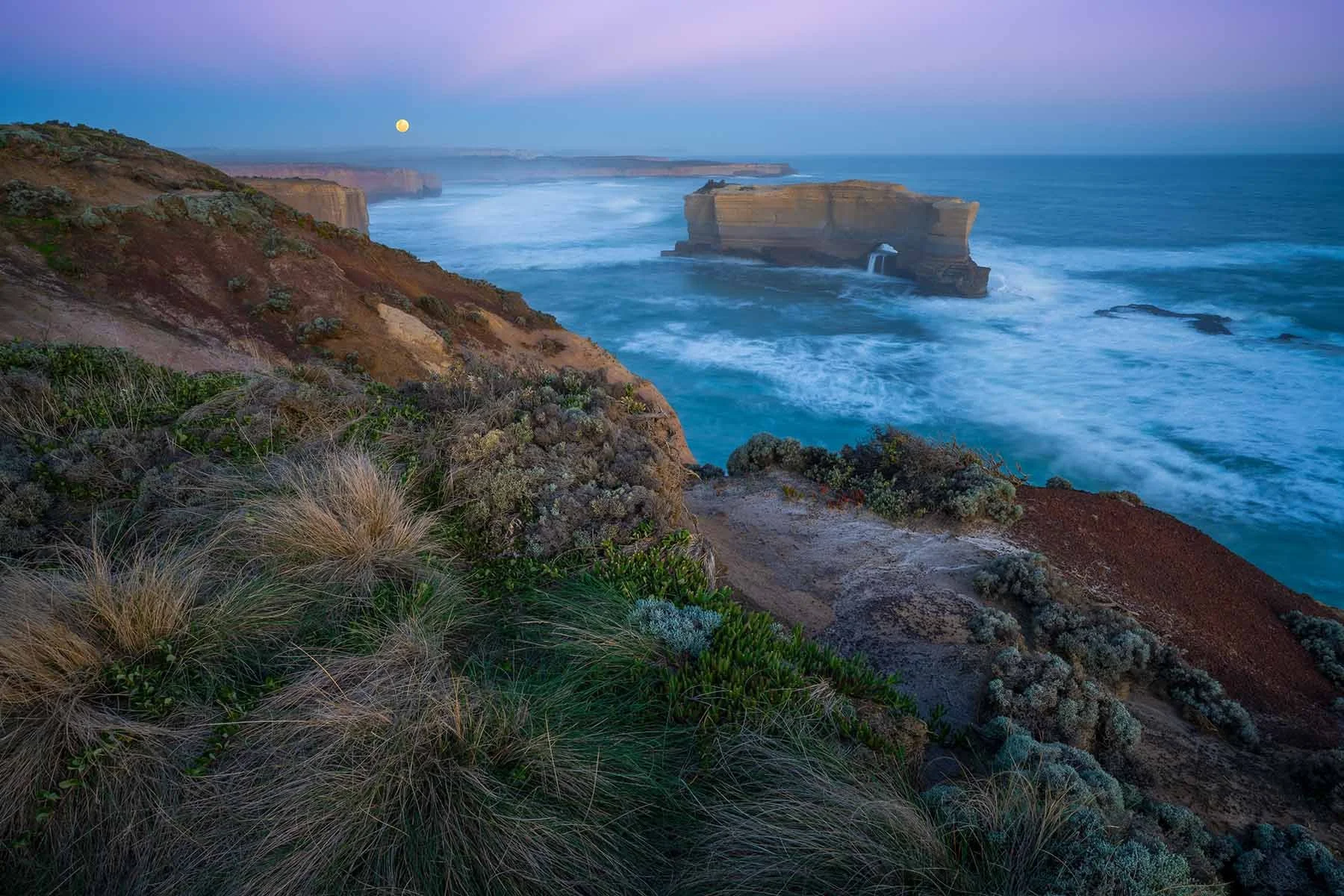
The Bakers Oven
A lesser-known but increasingly recognised seascape formation along Port Campbell National Park. The Bakers Oven becomes the priority moonrise location during this workshop — moon rising directly behind the formation is geographically and astronomically rare.


Workshop Information
What’s Included
✅ 5 full days of personal photography tuition
✅ Direct access to all locations with experienced instructor guidance
✅ Camera fundamentals through to advanced manual mode technique
✅ Complete post-processing instruction in Adobe Photoshop and Camera RAW
✅ Tide, swell, and weather condition planning
✅ Compositional theory and field technique
✅ 4 nights accommodation at a stunning seaside location
✅ Transport for the duration of the workshop
Not Included
❌ Meals, drinks, and snacks
❌ Flights and transport to and from the Sapphire Coast
❌ Travel insurance and medical cover
❌ Visa fees (if required to enter Australia)
Book Your Spot
Workshop Dates
5th - 8th November 2026 - TWO SPOTS LEFT
Secure your spot with a deposit or pay in full upfront. For deposit bookings, the final payment is due 30 days before the workshop start date. The final payment invoice will be sent before the workshop.


Who’s Samuel?
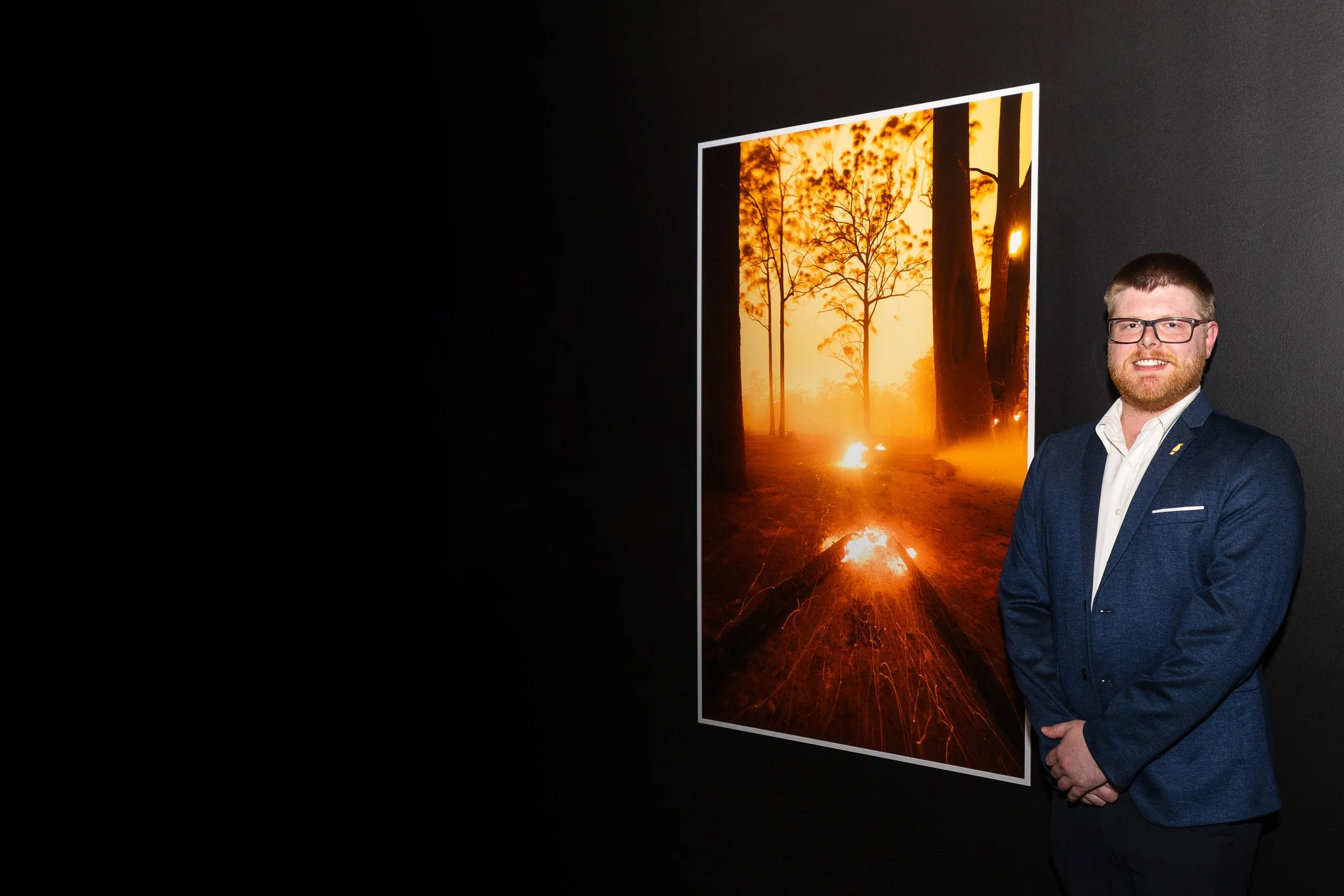
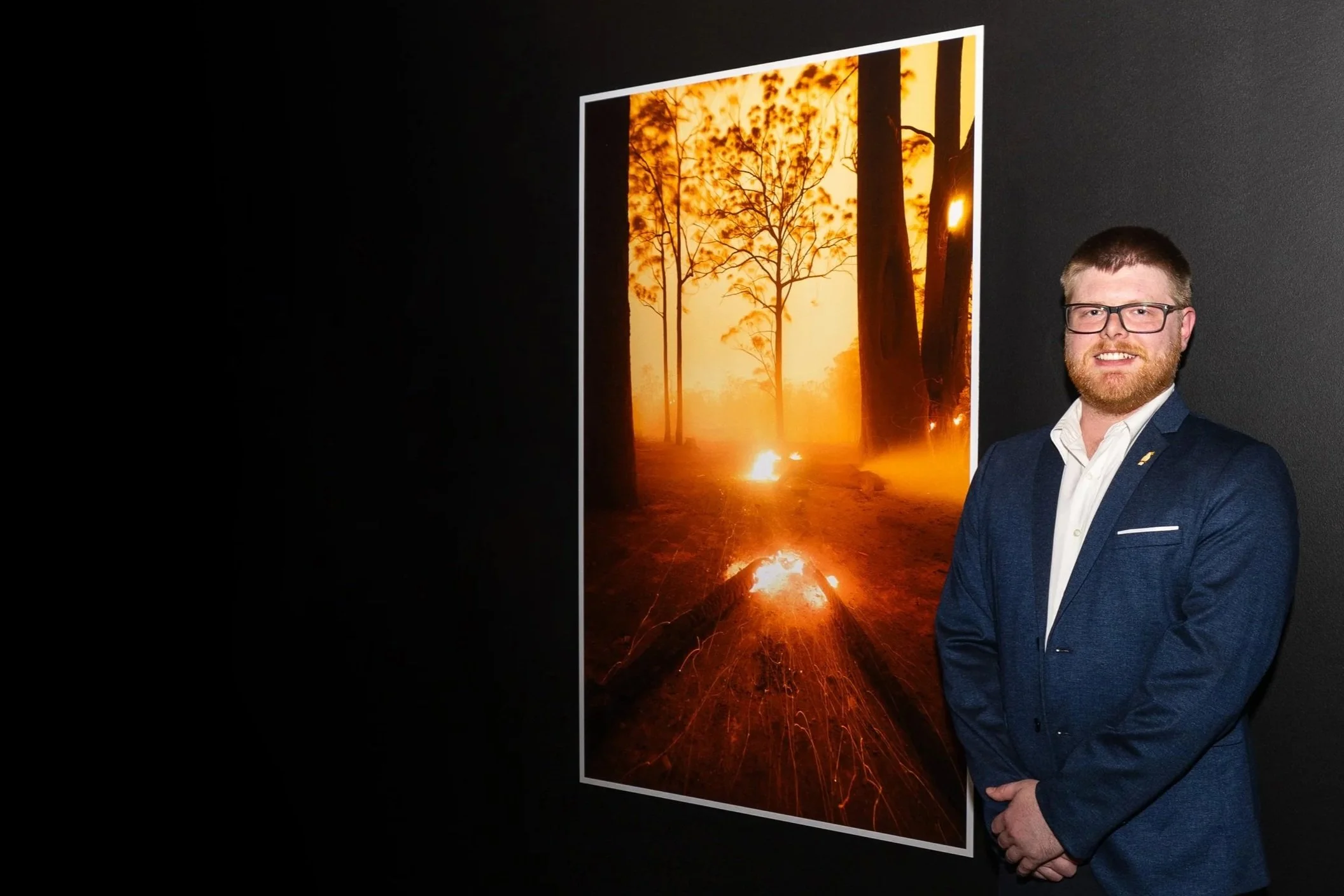
Samuel Markham is a self-taught Australian landscape photographer based on the South Coast of New South Wales. He has photographed the Great Ocean Road extensively over the past decade, and runs every workshop personally — there are no junior instructors and no co-leads.
In 2023, Samuel was named the Overall Winner of the Australian Geographic Nature Photographer of the Year for his image "My Country Burns", captured during the 2019–2020 Black Summer bushfires. His work has since been exhibited at the South Australian Museum, the Yarrila Arts and Museum, and the National Archives of Australia as part of the 20 Years of Australian Geographic Nature Photographer of the Year exhibition.
What Participants Say
Frequently Asked Questions
-
The workshop is capped at a maximum of 3 participants. This is well below the industry average of 6 to 12 and is what allows for genuinely personal instruction at every stop.
-
The Sapphire Coast is the southernmost stretch of the New South Wales coastline, running from Bermagui in the north to Eden in the south. It includes the towns of Bermagui, Narooma, Mystery Bay, Tathra, Merimbula, Pambula and Eden, and sits within the Bega Valley and Eurobodalla local government areas. The region is approximately a 6-hour drive south of Sydney.
-
The Sapphire Coast can be photographed year-round. The beauty of this region is that it always has something to offer. Sunrise is the priority shooting window for the rock formations at Bermagui and Narooma.
-
Yes. The workshop is built to suit photographers of all skill levels, from beginners through to experienced enthusiasts. The small group size means instruction is tailored individually to each participant rather than pitched at a generic standard. Camera fundamentals are covered for beginners, while advanced field technique and composition are available for more experienced participants.
-
A digital camera with full manual mode (DSLR or mirrorless), a sturdy tripod, and at least one wide-angle lens are the core requirements. A neutral density filter is helpful for long-exposure seascape work. The Sapphire Coast involves coastal scrambling, so a waterproof bag and sturdy footwear with grip are recommended. A full gear list is provided after booking.
-
This workshop involves a low to moderate level of fitness, with short walks at each location.
Participants must be comfortable on uneven and slippery coastal terrain, often in low light, with head torches used before sunrise or after sunset. Sturdy footwear is essential, and strong awareness of changing wave conditions is required when working near the ocean.
Horse Head Rock is accessed via a section of large boulders and can be more challenging. Some participants may prefer to remain at Camel Rock, or alternatively photograph Horse Head Rock from a more easily accessible cliff-top walking track above the formation.

Ready to Photograph the Great Ocean Road?
Spaces on the Great Ocean Road workshop are limited to 4 participants and tend to book out months ahead. Secure your spot with a deposit or download the brochure for more information.